
Before the first wall goes up, before you pick a single countertop or paint color, there is one decision that shapes everything else about your custom home. That decision is your lot. The land you build on influences your floor plan, your natural light, your privacy, your budget, and how your home fits into daily life. At D&T Premier Homes, we walk families through this choice carefully because getting it right sets the tone for the entire project. Here are the questions homeowners ask most often about selecting land for a custom home.
Why does lot selection matter so much?
Your lot determines things you cannot change later. You can remodel a kitchen or repaint a bedroom, but you cannot move your home closer to good schools, shift the direction the sun rises, or eliminate a busy road nearby. The land dictates where the driveway goes, how the home is oriented, how water drains, and how much outdoor space you truly have. Choosing thoughtfully at this stage saves both money and frustration down the road.

What should I look for when evaluating a lot?
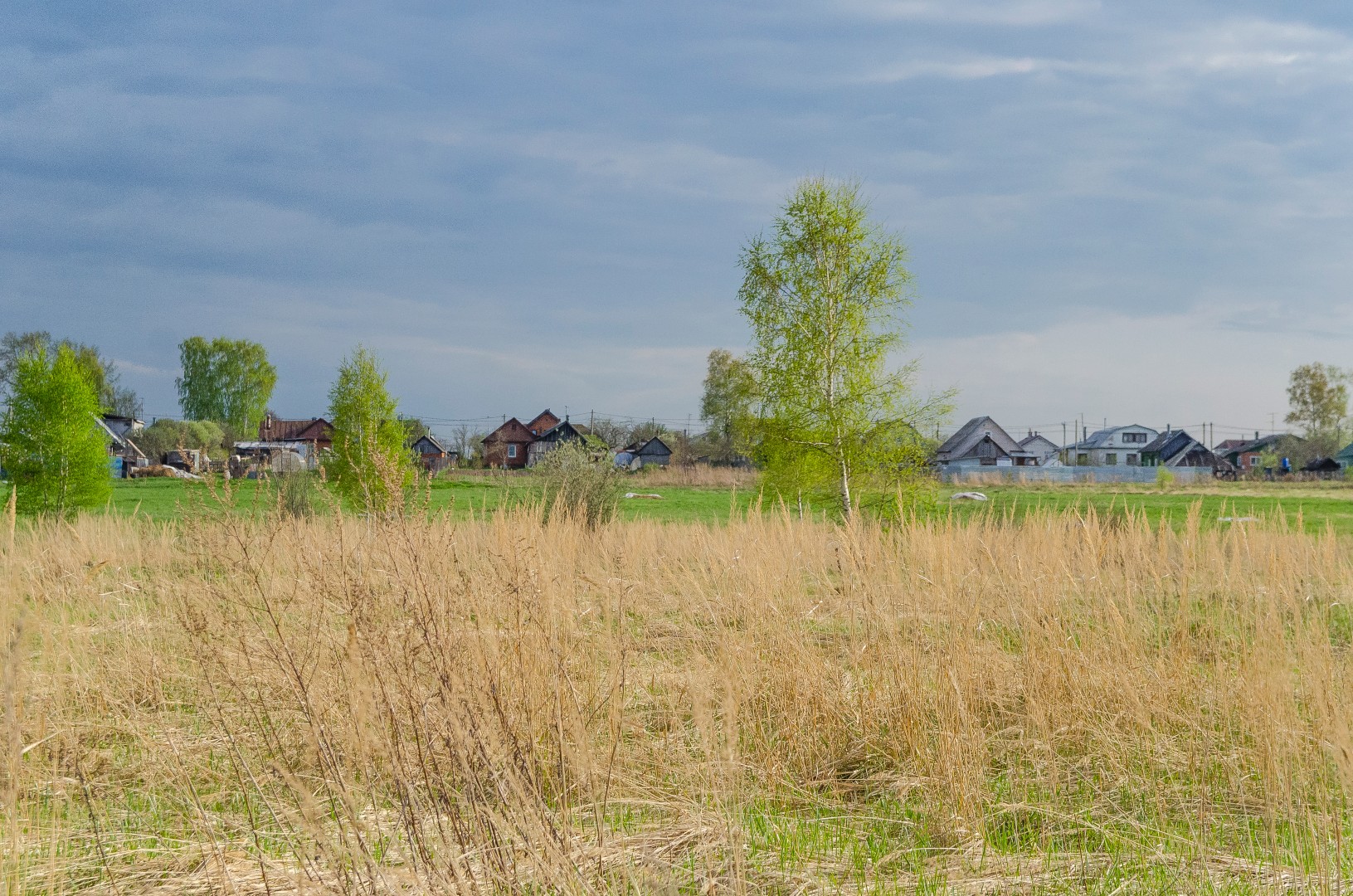
Start with location and lifestyle. Consider commute times, proximity to schools, access to shopping and healthcare, and the general feel of the neighborhood. Then look at the land itself. Is it level or sloped? Are there mature trees you want to preserve? How does the lot sit relative to neighboring homes? Visit at different times of day and in different weather if you can. A lot that feels perfect on a sunny Saturday morning may feel very different during a weekday rush hour or after heavy rain.
Does the shape and size of the lot really matter?
It matters more than most people expect. A wide lot supports a sprawling single story layout with generous curb appeal. A narrow lot often works better with a two story design and a rear or side entry garage. Corner lots offer more light and flexibility but sometimes less privacy. Deep lots can allow for a spacious backyard or future additions. Before falling in love with a floor plan, make sure the land can actually accommodate it comfortably along with setbacks, driveways, and outdoor living space.
How do slopes and soil conditions affect building costs?
Site conditions can significantly influence your budget. A steeply sloped lot may require retaining walls, extra excavation, or a walkout basement design. Poor soil may call for additional foundation work. Rocky terrain can increase excavation expenses. None of these issues are automatic deal breakers, and some create wonderful design opportunities, but they should be understood before you purchase. A soil test and a professional site evaluation give you clarity and help prevent surprises during construction.
What utilities and access should I confirm?
Ask whether the lot has access to public water and sewer or whether a well and septic system will be needed. Confirm availability of electricity, natural gas, and internet service. Check road access and whether the driveway will require significant grading or a long run. These practical details affect both your budget and your timeline, so it is worth confirming them early. Our team is always glad to help evaluate a property, and you can learn more about building a custom home on our website.
Should I know about zoning and restrictions before buying?
Absolutely. Zoning ordinances, setback requirements, height limits, and homeowners association guidelines can all shape what you are allowed to build. Some neighborhoods have architectural review boards with specific style requirements. Others restrict outbuildings, fencing, or exterior materials. Reviewing these rules before purchasing ensures your vision aligns with what is permitted. You can also research flood zones and property risk factors through FEMA flood map resources, which offer helpful public information for prospective buyers.
How does the lot influence my home design?
A skilled builder designs with the land, not against it. The orientation of your home can capture morning sun in the breakfast nook and shade the patio in the late afternoon. Views can be framed with intentional window placement. Natural grade changes can inspire a walkout lower level or a covered porch with a beautiful outlook. Working with your builder early allows the design and the site to complement each other rather than compete.
Should I choose the lot or the builder first?
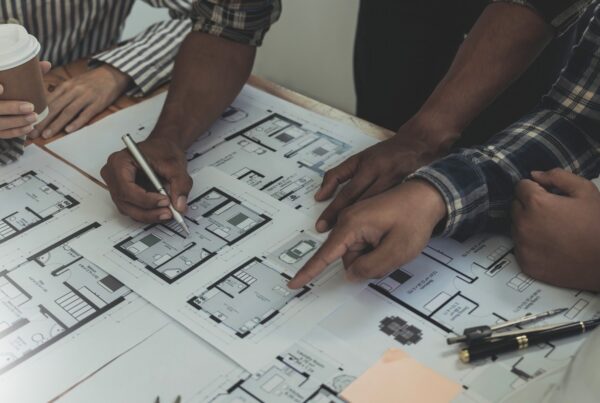
We recommend involving your builder before you finalize a lot purchase. An experienced builder can spot potential challenges, estimate site preparation costs, and confirm whether your desired floor plan will work on the property. This early guidance can save thousands of dollars and prevent difficult compromises later.
How does D&T Premier Homes help with lot selection?
We help families see the full picture. Our team evaluates land with an eye toward buildability, budget, and long term satisfaction, then helps you imagine what your home could become on that site. At D&T Premier Homes, choosing the right lot is where the dream begins to take shape, and we are here to guide you every step of the way.
If you are searching for land or already have a property in mind, reach out and let us help you determine whether it is the right foundation for your future home.